North East Ambulance Service urges public to stay well following 9,300 flu-related calls last winter
North East Ambulance Service (NEAS) is urging people across the region to take simple steps to stay well over the coming months after flu-related calls increased by 28% last winter, rising from around 7,300 to 9,300 between October 2025 and February 2026.
Wider demand also increased, with around 22,000 additional 999 and NHS 111 calls, while NEAS continued to help more patients access the most appropriate care for their needs.
Dr Kat Noble, medical director at North East Ambulance Service, said: “Although demand continues to rise, a growing proportion of patients are receiving the care they need without attending an emergency department.
“As we continue to develop the way we care for patients, specially trained clinicians can assess more people over the phone and help find the most appropriate care for their needs. This could mean being supported safely at home or connected with other NHS services where appropriate, helping avoid unnecessary trips to hospital.
“This means patients get the right care in the right place, while helping protect hospital capacity during the busy winter months.”
NEAS is encouraging people to prepare for winter by reducing their risk of becoming unwell, recognising the symptoms of flu and other common winter illnesses, and knowing what to do if they become ill.
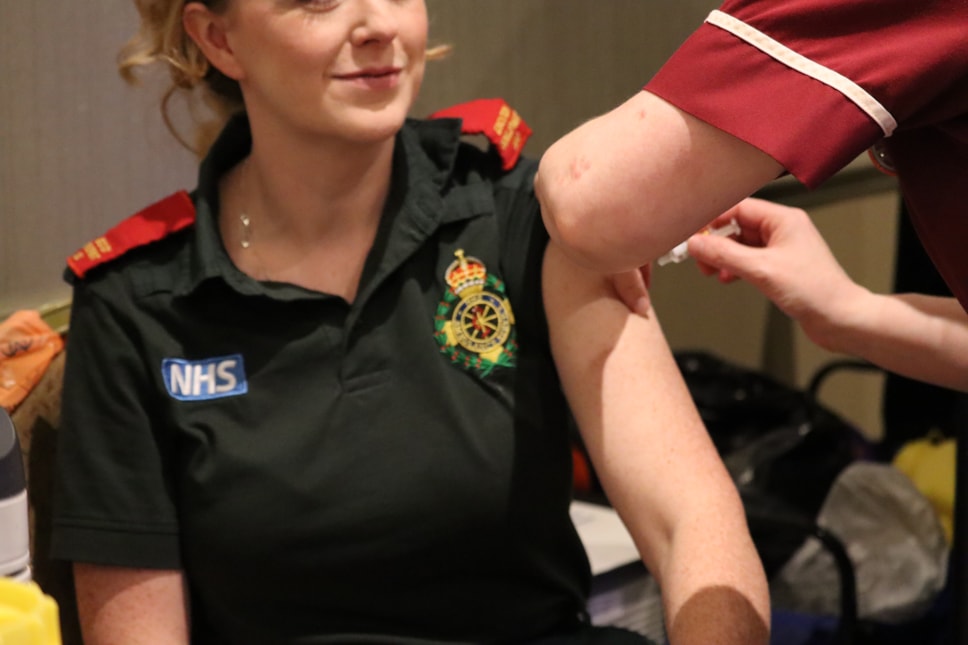
NHS advice also recommends simple steps such as vaccination, practicing good hand hygiene, keeping essential medicines at home, staying warm and avoiding close contact with vulnerable people when unwell.
Dr Noble continued: “Prevention is an important part of preparing for winter. Getting vaccinated if you’re eligible, recognising the symptoms of winter illnesses and knowing where to turn for help, including your local pharmacist or NHS 111 online, can all help you stay well and make sure emergency care is there for those who need it most.”
The advice forms part of NEAS’ winter safety campaign, which aims to help communities stay well, prevent avoidable illness and make sure people know where to turn for the right help.
Nationally*, the flu vaccination programme is estimated to have prevented around 104,000 hospital admissions and 7,100 deaths last winter. However, around 3,800 people still died from flu in England, demonstrating the serious impact the illness can have.
Regional figures* supplied for the campaign show significant differences in flu vaccination uptake between eligible groups. While uptake among people aged 65 and over reached 75.9%, fewer than half of pregnant people and people aged six months to 64 years in a clinical risk group received their vaccination.
Stephanie McCready, senior clinical advisor at NEAS, said: “During winter, we hear from lots of patients with cold and flu symptoms. While a cold usually develops gradually and mainly affects your nose and throat, flu tends to come on much more quickly and can leave you feeling very unwell, with symptoms such as a high temperature, body aches, extreme tiredness and a cough.
“For most people, flu can be managed at home with rest, plenty of fluids and self-care, but it’s important to keep an eye on your symptoms and seek advice if you’re concerned or you’re getting worse.
“Cold weather can also make some existing health conditions harder to manage, particularly for older people and those living with long-term conditions. Keeping warm, looking after yourself and continuing to take any prescribed medication can help you stay well.
“For some people, flu can lead to more serious illness, so it’s important to recognise when your symptoms are getting worse and when you may need additional help.
“We can all take simple steps to protect others too. If you’re attending a healthcare appointment while unwell, consider wearing a face covering where appropriate.
“If you have a Patient Transport Service booking you no longer need because your appointment has been cancelled or you’re unable to attend, please let us know as soon as possible so the journey can be offered to another patient.”
Dr Kat Noble concludes: “NEAS responds to more than one million emergency and NHS 111 calls each year, and seasonal illnesses can add additional demand at an already busy time.
“We can all help by taking simple steps to prevent the spread of infection, getting vaccinated if eligible and using the right NHS service when we need help, helping keep emergency care available for those who need it most.
“You can visit the NHS website for the latest eligibility criteria and find more information about how and where to get vaccinated.”
More winter advice is available on the NEAS winter safety advice webpage.
Notes to editors
The NEAS wider demand figures compare October 2025 to March 2026 with October 2024 to March 2025 whilst the flu-related call data compares October 2025 to February 2026.
Regional flu vaccination uptake figures provided by North East and North Cumbria ICB for 2025/26 include:
- 75.9% among people aged 65 and over.
- 72.6% among care home residents.
- 55.3% among primary school children.
- 52.6% among frontline healthcare workers.
- 47.2% among secondary school children.
- 44.4% among people aged six months to 64 years in a clinical risk group.
- 42.3% among pregnant people.
NEAS recorded 7,320 flu-related calls between October 2024 and February 2025, compared with 9,360 between October 2025 and February 2026, an increase of approximately 28%.