Stakeholder Spotlight: Andrew Hodge, Director of Paramedicine
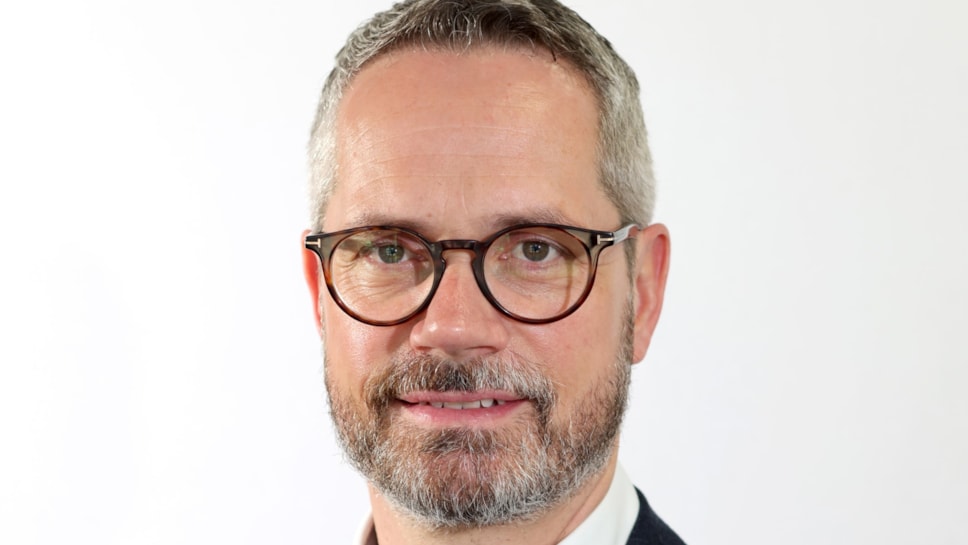
Meet Andrew Hodge: leading the future of paramedic practice at NEAS.
Delivering high-quality care in an increasingly complex healthcare landscape requires strong clinical leadership, a skilled workforce and close collaboration with partners across the health and care system. At North East Ambulance Service (NEAS), much of this work is being led by Andrew Hodge, Director of Paramedicine.
Andrew is responsible for providing professional and clinical leadership across the organisation's clinical workforce, helping to ensure patients receive safe, effective and compassionate care. His portfolio spans clinical audit, research and development, medicines management, clinical pathways, digital clinical services, advanced clinical practice and end-of-life care.
Since joining NEAS, Andrew has focused on strengthening clinical leadership, embedding evidence-based practice and ensuring the organisation is well positioned to respond to the evolving needs of patients and communities across the North East.
"When things are going well, our teams are asking curious questions, developing new ways of working and improving patient care and experience," Andrew explains.
As chair of the clinical quality governance group and a member of the senior clinical leadership team, Andrew plays a central role in ensuring clinical expertise informs strategic decision-making, service development and quality improvement across the Trust.
Delivering improvements in patient care
One of Andrew's key achievements has been leading the development of NEAS's clinical operating model, which complements the organisation's new strategy and sets out the clinical priorities and ambitions that will shape service delivery in the years ahead.
He said: "Looking ahead, I see a major opportunity to improve outcomes through the implementation of the organisation's new strategy, clinical priorities and clinical operating model.
"The result should be demonstrable improvements in clinical outcomes, new service delivery models and a reduction in variation and inequalities."
The clinical operating model has been informed by extensive engagement with patients, communities and strategic partners, including Healthwatch and voluntary sector organisations, helping to ensure future developments reflect the needs and experiences of the populations NEAS serves.
Investing in the clinical workforce
Alongside improving patient outcomes, Andrew is passionate about developing the clinical workforce of the future.
He led the development of NEAS's Clinical Career Framework, which has aligned clinical roles with national advanced practice frameworks and created clearer development pathways for clinicians. The framework is helping to strengthen multidisciplinary working and support greater career progression across the wider health and care system.
Andrew has also introduced senior clinical leadership roles to strengthen clinical oversight and support, alongside initiatives such as Clinical Forums and annual clinical conferences that provide opportunities for clinicians to share learning, contribute ideas and help shape service improvements.
"My leadership philosophy is that it needs to be kind, compassionate and focused on improving patient care in every way possible," he said.
Working together across the health and care system
Collaboration is a key theme of Andrew's work. He believes that delivering the best outcomes for patients depends on strong partnerships across urgent and emergency care services, integrated care systems, primary and secondary care, voluntary sector organisations and wider regional networks.
Andrew is also keen to champion the broader role of modern ambulance services within the healthcare system.
"Ambulance services are no longer just emergency responders. We provide 111, 999 and patient transport services, while helping the wider system manage risk and access to care."
As NEAS implements its clinical strategy and operating model, developing strong partnerships will remain central to delivering innovative care pathways, reducing health inequalities and improving outcomes for patients across the region.
Looking ahead
Andrew believes the foundations are now in place to drive meaningful, evidence-based improvements in care through stronger clinical leadership and system-wide collaboration.
"With our clinical leadership team now firmly established, our ambition is to ensure clinical evidence, patient needs and professional expertise are at the centre of decision-making.
"We have the insights, the strategy and the leadership in place. Now we want to deliver real, evidence-based improvements through stronger collaboration, helping us meet the growing complexity of patient need across the North East."
To find out more about NEAS's clinical insights, priorities and clinical operating model, visit the strategy section of the NEAS website.